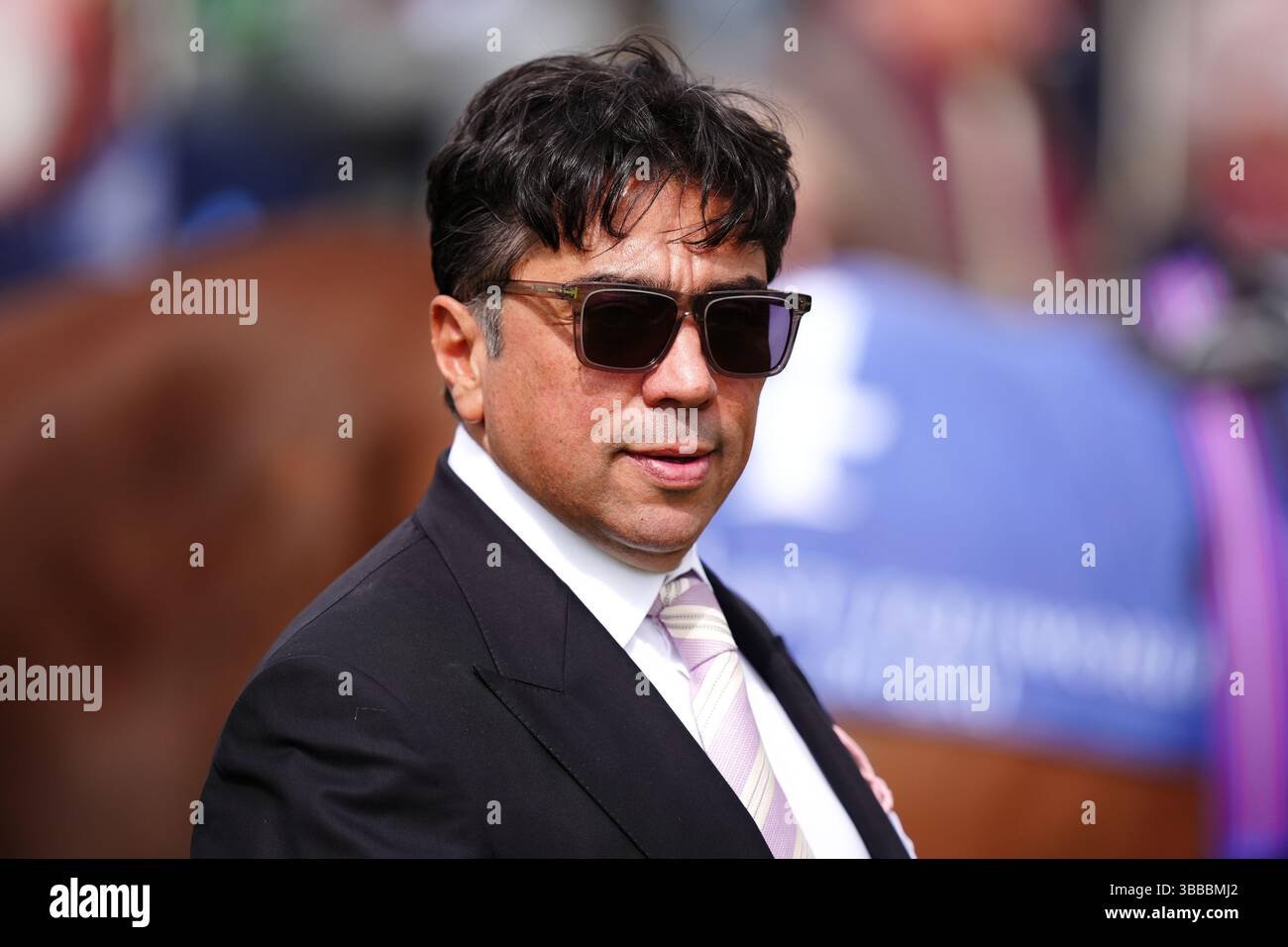
Kia Joorabchian is one of the most polarizing figures in modern football, operating at the intersection of player representation, club ownership and third-party investment. His involvement in high-profile transfers and ownership structures has shaped debates about transparency in the sport. Readers exploring Kia Joorabchian will also find context in Best Changua Near Me: Finding Colombia's Traditional Breakfast Soup
Early Life and Entry Into the Football World
Born in Tehran, Iran, in 1971, Joorabchian moved to the United Kingdom as a child and later built his career across multiple business sectors before focusing on football. His early ventures included work in sports marketing and player representation during the late 1990s. He gained wider attention through his association with Brazilian and South American players seeking moves to European clubs. By the early 2000s, Joorabchian had established himself as a behind-the-scenes broker capable of facilitating complex multi-party deals. wikipedia.org/wiki/Kia_Joorabchian” rel=”noopener noreferrer” target=”_blank”>Kia Joorabchian
His entry into English football coincided with growing interest from foreign investors and agents looking to capitalize on the Premier League’s expanding commercial reach. Joorabchian positioned himself as a connector between South American talent and European opportunities, leveraging relationships built across continents.
Media Sport Investment and the West Ham Controversy
Joorabchian founded Media Sport Investment (MSI), a vehicle that became central to one of English football’s most scrutinized ownership arrangements. MSI held economic rights to several players, most notably Carlos Tevez and Javier Mascherano, who joined West Ham United in August 2006. The structure of those third-party ownership deals later triggered an investigation by the Premier League. org/2026/06/03/the-analysis-series-kia-joorabchian-in-detail-to-june-3rd-2026/” rel=”noopener noreferrer nofollow” target=”_blank”>The Analysis Series: Kia Joorabchian in detail (to June 3rd 2026)
In 2007, West Ham was fined a record £5.5 million for failing to disclose the full terms of the agreements involving MSI and the players’ economic rights. The case exposed widespread use of third-party ownership arrangements in English football and led to significant regulatory changes. The Premier League subsequently tightened rules around third-party influence over players, partly as a direct response to the issues highlighted by the West Ham situation.
Tevez went on to play for Manchester United and Manchester City after the controversy, while Mascherano moved to Liverpool. Both transfers generated further scrutiny of Joorabchian’s role and the financial structures underpinning modern football deals.
Ongoing Influence in Player Transfers and Club Deals
Despite the controversies, Kia Joorabchian has remained active in football’s transfer market and advisory space. He has been linked to numerous high-profile moves involving South American players and has maintained relationships with clubs across Europe and beyond. His network extends to club executives, agents and investors involved in the business side of the sport.
Joorabchian has also been associated with advisory roles and potential investment discussions involving football clubs. His ability to operate across different markets and regulatory environments has kept him relevant even as football’s governance structures have evolved.
Regulatory Fallout and the Broader Debate on Third-Party Ownership
The cases involving Joorabchian and MSI contributed to a broader reckoning within football about who controls player transfers and how financial interests are disclosed. FIFA later moved to restrict third-party ownership of players’ economic rights, implementing regulations that took effect in 2015. The changes were driven in part by concerns that third-party investors could exert undue influence over club decisions and player careers.
What remains less clear is the full extent of Joorabchian’s current financial interests in active players or clubs. This opacity is common among high-level football intermediaries, but it continues to fuel debate about accountability in the sport.
Why Football’s Intermediary Culture Demands Greater Scrutiny
The story of Kia Joorabchian illustrates how intermediaries can shape outcomes that affect clubs, leagues and fans without holding official positions. The regulatory changes prompted by earlier controversies have improved transparency, but enforcement remains inconsistent across jurisdictions. As transfer fees and commercial revenues continue to rise, the role of agents and investors will remain a critical governance question for football’s governing bodies.
Frequently Asked Questions
Who is Kia Joorabchian?
Kia Joorabchian is an Iranian-born businessman and football intermediary known for his involvement in player transfers and third-party ownership structures. He founded Media Sport Investment and has been linked to major deals involving South American players moving to European clubs.
What was the West Ham third-party ownership scandal?
In 2006, Carlos Tevez and Javier Mascherano joined West Ham United through arrangements involving Media Sport Investment, a company linked to Joorabchian. The Premier League fined West Ham £5.5 million in 2007 for failing to disclose the full terms of those third-party ownership agreements.
Did Kia Joorabchian own West Ham United?
No, Joorabchian did not own West Ham United. His company, Media Sport Investment, held economic rights in certain players who played for the club, but he was not a shareholder or owner of West Ham itself.
Is third-party ownership still allowed in football?
FIFA introduced regulations in 2015 that restricted third-party ownership of players’ economic rights. The rules were tightened following high-profile cases, including those involving Joorabchian’s MSI, which highlighted concerns about transparency and conflicts of interest in the transfer market.
What is Kia Joorabchian’s current role in football?
Joorabchian continues to be active as an intermediary and advisor in football transfers, particularly involving South American players.