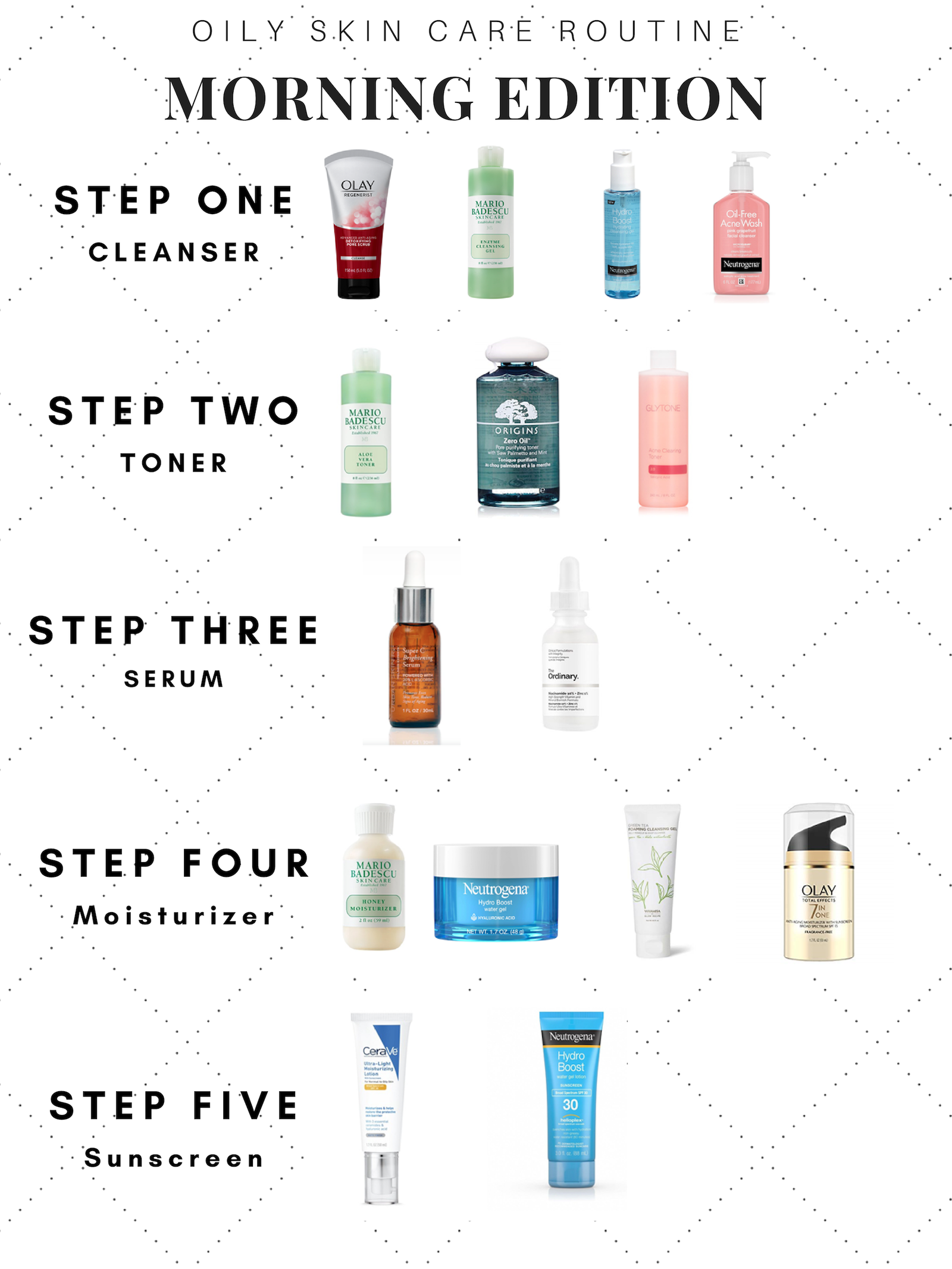
Oily skin affects an estimated 50% of young adults worldwide, according to a 2023 review in the Journal of Clinical Medicine. The condition stems from overactive sebaceous glands, often driven by genetics or hormones. A consistent, step-by-step approach can help manage shine and prevent breakouts without stripping the skin. For a complementary read on the same theme, see What Is Jennifer Aniston’s Skincare Routine: Her Simple Steps for Glowing Skin
How Dermatologists Developed the Ideal Oily Skin Regimen
The American Academy of Dermatology (AAD) recommends a gentle yet targeted routine for oily skin. Their guidelines emphasize avoiding harsh scrubs that can irritate and trigger more oil production. Instead, they advocate for products with salicylic acid (a beta hydroxy acid) and niacinamide, both backed by clinical research. A 2023 study found that niacinamide reduced sebum production by up to 24% over eight weeks. The routine is built on cleansing, treating, moisturizing, and protecting — in that order. A reference profile of the subject is maintained on The Perfect Skincare Routine for Oily Skin
| Step | Product Type | Key Ingredients |
|---|---|---|
| 1. Cleanse (AM & PM) | Foaming cleanser | Salicylic acid, benzoyl peroxide |
| 2. Tone (AM & PM) | Alcohol-free toner | Niacinamide, witch hazel |
| 3. Treat (PM only) | Serum or retinoid | Salicylic acid, adapalene |
| 4. Moisturize (AM & PM) | Oil-free gel moisturizer | Hyaluronic acid, glycerin |
| 5. Protect (AM only) | Mattifying sunscreen | SPF 30+, non-comedogenic |
Key Products and Ingredients That Control Oil Without Irritation
Salicylic acid is a cornerstone for oily skin. It penetrates pores to dissolve excess sebum and dead skin cells. Many dermatologists recommend a 2% concentration in cleansers or leave-on treatments. Niacinamide, a form of vitamin B3, helps regulate oil production and calms inflammation. Retinoids like adapalene can also reduce oiliness over time, but users should start with a low concentration at night to avoid irritation. Clay masks with kaolin or bentonite absorb surface oil and are best used once weekly.
How Real Users and Experts Respond to the Routine
Online skincare communities frequently discuss the importance of not skipping moisturizer. Dehydrated oily skin can overcompensate by producing even more oil. Many users report that lightweight, gel-based moisturizers with hyaluronic acid keep skin balanced without clogging pores. Blotting papers and mattifying powders are popular for midday touch-ups. Dermatologists stress that consistency over four to six weeks is necessary to see results, and that patch-testing new products helps prevent breakouts.
What Is Confirmed and What Remains Unverified About Oily Skin Care
The AAD also confirms that alcohol-free toners with niacinamide or witch hazel can balance oil without stripping. However, some claims remain unverified. For instance, the idea that oily skin ages slower is debated — while sebum may provide some moisture, it does not prevent wrinkles. Additionally, the long-term effects of daily retinoid use for oil control are still being studied.
Frequently Asked Questions
How many times a day should I wash my face if I have oily skin?
Most dermatologists recommend washing twice daily — once in the morning and once at night. Over-washing can strip the skin and trigger more oil production.
What is the best ingredient for reducing oily skin?
Salicylic acid is widely regarded as the most effective ingredient for oily skin. It exfoliates inside pores and reduces sebum buildup. Niacinamide is also highly recommended for its oil-regulating and anti-inflammatory properties.
When should I start using a retinoid for oily skin?
Retinoids like adapalene can be introduced at any age, but it is best to start in your 20s or 30s if you have persistent oiliness and acne. Begin with a low concentration at night and use sunscreen daily.
Who is the best dermatologist to follow for oily skin advice?
Many board-certified dermatologists share evidence-based advice online. Dr. Sandra Lee (Dr. Pimple Popper) and Dr. Whitney Bowe are popular figures, but it is important to consult a local dermatologist for personalized care.
Is it true that oily skin does not need moisturizer?
No, that is a myth. Oily skin still needs hydration. Skipping moisturizer can lead to dehydration, causing the skin to produce even more oil. A lightweight, oil-free moisturizer is essential.
How to Adjust the Routine for Seasonal Changes and Lifestyle Factors
Oily skin can behave differently depending on the season. During summer, humidity increases sebum production, so a lighter gel cleanser and a mattifying sunscreen may be sufficient. In winter, indoor heating can dry the skin, prompting some people to switch to a creamier cleanser and a slightly richer moisturizer at night. Diet also plays a role — high-glycemic foods may worsen oiliness in some individuals, according to a 2020 study in the Journal of the American Academy of Dermatology. Stress management and adequate sleep are additional factors that can help regulate hormone levels and reduce breakouts.
Common Mistakes to Avoid in an Oily Skin Care Routine
One frequent error is using harsh, alcohol-based toners that strip the skin. This can disrupt the skin barrier and lead to irritation. Another mistake is over-exfoliating with physical scrubs or multiple acids at once. Dermatologists advise limiting exfoliation to two or three times per week. Skipping sunscreen is also problematic — many sunscreens are now formulated to be lightweight and non-comedogenic, so there is no excuse to leave skin unprotected. Finally, touching the face throughout the day transfers bacteria and oil, which can clog pores and cause breakouts.