The Basics of Curling and Brush Usage
Curling is a precision sport that involves sliding stones on a sheet of ice towards a target area. This game is played with two teams, each consisting of four players. The key objective is to accumulate points by placing the stones closer to the center of the target, known as the house, than the opposing team. The stones used in curling are made of granite and have distinctive features, including a handle that allows players to spin the stone as it is delivered. The trajectory, or path, of the curling stone can be significantly influenced by the use of brushes.
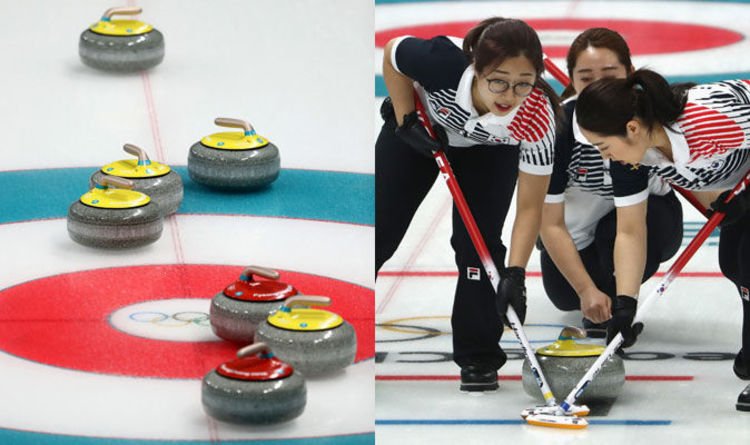
The role of brushes in curling extends beyond mere aesthetics. As players slide their stones down the ice, teammates use brushes to sweep in front of the moving stone. This sweeping action serves multiple purposes: it helps to reduce friction between the stone and the ice, thereby allowing the stone to travel further and straighter. Moreover, sweeping can also influence the stone’s path by introducing an element of control over its curl, which refers to the intentional spinning of the stone as it moves.
Understanding how do brushes affect the stone’s path in Olympic curling is crucial for both players and spectators. According to standard curling rules, players are allowed to use their brushes to support this sweeping process during delivery. However, specific regulations govern when and how brushes can be used. The timing of brushing, the intensity of the pressure applied, and even the direction of the sweeping can all contribute to the final outcome. When executed effectively, brushing becomes a vital aspect of strategy in the sport, transforming each throw into a coordinated team effort that balances skill and teamwork.
How Brushing Affects the Stone’s Path
In Olympic curling, the role of brushing extends far beyond mere surface maintenance; it is pivotal in determining the stone’s trajectory. As the curling stone glides across the ice, the brushing technique influences its speed and direction, primarily through the manipulation of friction and surface interaction. When players use their brushes, they effectively alter the ice conditions in the immediate vicinity of the stone, creating a dynamic environment that impacts its path.
The fundamental physics at play involves the reduction of friction between the stone and the ice. By vigorously brushing the ice in front of the stone, the players create a thin layer of water, which momentarily decreases the surface friction, allowing the stone to travel further at an increased speed. This phenomenon highlights a crucial aspect of how do brushes affect the stone’s path in Olympic curling: the interplay of brush pressure, speed, and technique significantly alters the outcome of the throw. The amount of pressure applied while brushing can determine how much friction is reduced, directly influencing the stone’s velocity and distance covered.
Moreover, the direction of the brushing can also affect the stone’s trajectory. When players adjust the angle and positioning of their brushes, they can guide the stone subtly to one side or the other, making slight navigational adjustments that can be critical in close matches. This multifaceted interaction underscores the necessity for both physical skill and strategic understanding in the art of brushing. The careful coordination of technique, pressure, and methodical brushing allows curlers to execute precise maneuvers, effectively capitalizing on how brushes affect the stone’s path while optimizing their gameplay strategies.
Different Types of Brushes and Their Effects
In the sport of curling, the type of brush used significantly influences how do brushes affect the stone’s path in Olympic curling. Understanding the various types of brushes available sheds light on their designs and materials, which can enhance brushing effectiveness on the ice. Traditional curling brushes often featured a simple construction, typically made of a soft fabric or wool head mounted on a wooden handle. Although effective, these brushes have largely been replaced by modern designs that incorporate advanced materials and technology.
Contemporary curling brushes generally fall into two categories: pad brushes and head brushes. Pad brushes are characterized by a flat surface, made of synthetic materials that optimize friction while reducing drag. The structure of these pads allows for efficient heat generation when brushed against the ice, thus melting a thin layer of water that facilitates smoother movement of the stone. This mechanism underscores how do brushes affect the stone’s path in Olympic curling through improved precision and control.
On the other hand, head brushes, which incorporate a rounded shape, promote an even application of pressure across the stone’s surface. These brushes often contain carbon fiber handles, making them lightweight and durable, which aids players during the demanding game dynamics. Over the years, advancements in brush technology have led to the introduction of features like adjustable heads and ergonomic grips. Such innovations not only improve player comfort but also enhance how effectively brushes can affect the stone’s path in Olympic curling.
Overall, the evolution of curling brushes highlights the importance of design and material in optimizing performance. As the sport continues to develop, ongoing innovations offer potential enhancements, ensuring that players can leverage their tools to navigate the complexities of the game more effectively.
Strategic Use of Brushes in Competition
In the high-stakes world of Olympic curling, the strategic use of brushes plays a pivotal role in determining the stone’s path and ultimately, the outcome of a match. Teams must carefully plan their brushing techniques to control the stone’s speed and direction, ensuring optimal placement on the target. Each curling team has its own approach to brush usage, influenced by factors such as ice conditions, stone type, and the stone’s trajectory.
During competitions, particularly at the Olympic level, effective communication between the skip, who is the team leader, and the brushers is essential. The skip makes crucial decisions regarding the strength and angle at which the stone is delivered, while the brushers must react swiftly to adjust their technique based on the skip’s calls. This collaborative effort allows teams to maximize the effectiveness of their brushing, altering the stone’s path in real time as required.
For instance, during the 2018 PyeongChang Olympics, notable teams showcased exceptional coordination between the skip and brushers. In one pivotal match, a team had to navigate around a cluster of opponent stones. Effective brushing allowed them to control their stone’s trajectory perfectly, demonstrating how do brushes affect the stone’s path in Olympic curling. The brushers worked in unison to strategically sweep the stone, managing to create the necessary friction and change its speed to secure a favorable position on the house.
Such decisions are frequently influenced by the type of ice being played on, as different surfaces can significantly affect the stone’s movement. Higher-caliber teams prepare meticulously for varying conditions, understanding how brushing impacts the stone’s path, which ultimately can be the difference between victory and defeat. The role of brushes in competitive curling is undoubtedly strategic, making them indispensable tools in the sport.