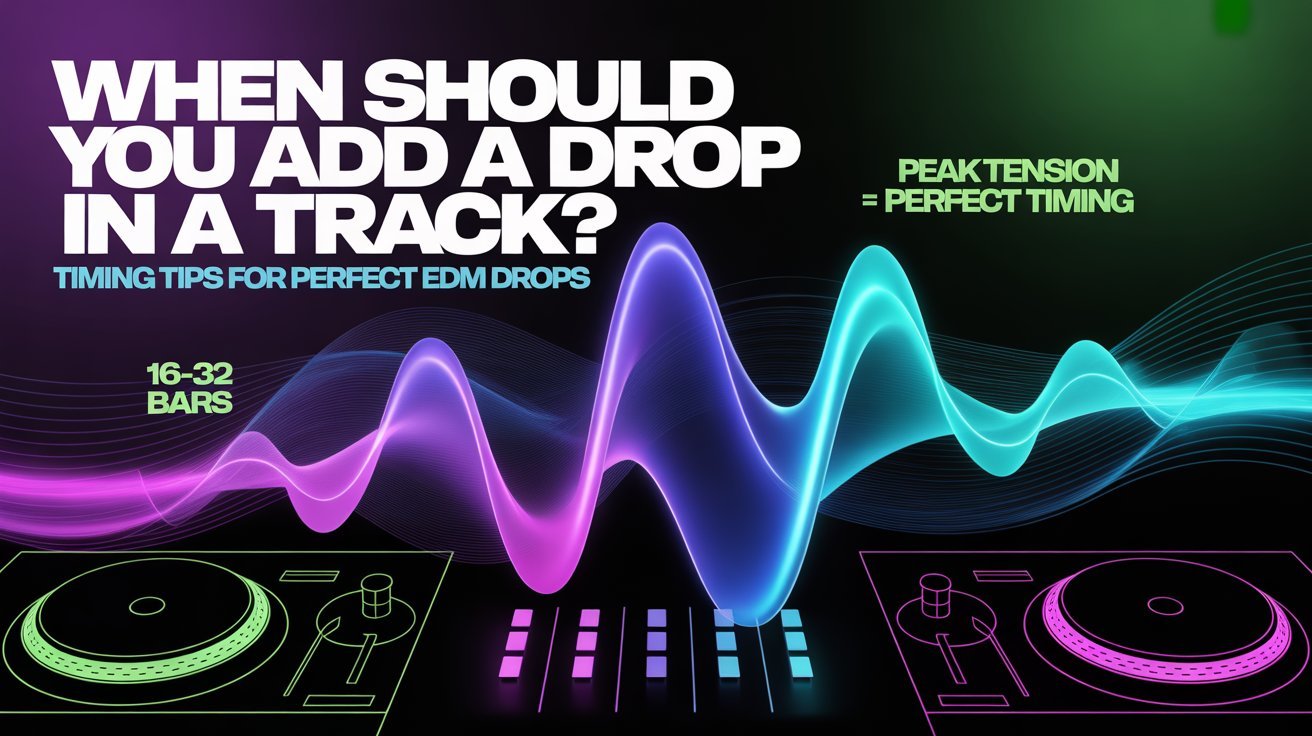
Understanding the Importance of a Drop
In the realm of music production, a “drop” refers to a quintessential moment when a track suddenly shifts from a build-up to a more intense, energetic section. This component is not merely a stylistic choice; it plays a crucial role in shaping the overall listening experience. Drops are strategically placed to create a dramatic contrast between the softer, more melodic elements and the high-energy explosion that follows. This leads to an emotional response from the audience, heightening their engagement with the track.
Drops are particularly prevalent in various genres, most commonly in electronic dance music (EDM), dubstep, and pop. They serve as a defining feature in these styles, often characterized by heavy bass lines, synthesized sounds, and rhythmic intensity that compels listeners to dance or react physically. In EDM, for instance, the drop is anticipated during live performances, with the crowd often erupting in excitement at this pivotal moment. Knowing when to add a drop in a track is essential for producers as it dictates the energy flow of the entire composition.
The impact of a well-crafted drop cannot be understated. It serves not only to elevate the mood but also to unify various elements of the song, bringing them together in a moment of auditory exhilaration. As a result, many music producers consider the drop a critical element that can make or break the success of a track. By experimenting with timing, volume, and sound selection, artists can create distinctive drops that resonate with their target audience. Understanding the importance of the drop is vital; it is a tool for enhancing a song’s dynamics and ensuring that it leaves a lasting impact on listeners.
Analyzing Song Structure and Flow
Understanding when to add a drop in a track requires a thorough analysis of song structure and flow. Commonly, electronic and popular music adheres to specific formats, predominantly relying on the verse-chorus structure. This format typically consists of alternating verses that establish the story or theme, followed by choruses that elevate the energy and capture the listener’s attention. The placement of a drop is crucial in this context, as it often follows a buildup that escalates tension effectively.
To achieve an impactful drop, it is essential to create a sense of anticipation. This can be accomplished by employing techniques such as dynamic shifts, rhythmic changes, and instrumental layering throughout the verses. A well-crafted buildup not only enhances the emotional trajectory of the song but also primes the audience for the ensuing drop. Consequently, artists must evaluate the density of their sections, ensuring that they maintain a balance between energy and space.
In addition to the traditional verse-chorus paradigm, experimenting with variations can also prove beneficial. For example, elements such as a pre-chorus can serve as a transitional moment that amplifies the excitement before a drop. This structure inherently invites listeners to engage more deeply, elevating the overall musical experience. Incorporating silence or a brief pause right before the drop can further enhance its impact, creating a stark contrast that magnifies the subsequent release of energy.
In summary, mastering the timing of when to add a drop in a track involves a deep understanding of song structure, flow, and the ways these elements interconnect. By effectively manipulating tension and creating transitional spaces, artists can ensure that their drops resonate powerfully with listeners, enhancing the overall appeal of their music.
Emotional Build-Up: Creating Anticipation
In the realm of music production, the significance of a well-crafted emotional build-up cannot be overstated, particularly when considering the question of when should you add a drop in a track. A successful drop is often preceded by a carefully constructed atmosphere that generates anticipation within the listener. This emotional prelude can be achieved through various techniques, such as crescendos, changes in instrumentation, and the introduction of vocal elements.
Crescendos are powerful tools that elevate the music’s intensity, drawing the listener’s attention and establishing a sense of expectation. By gradually increasing volume or density of sound, a producer can effectively signal that something significant is about to happen. This gradual buildup is pivotal; it transforms passive listening into active engagement, ultimately leading to a more impactful drop.
Instrumentation also plays a crucial role in constructing emotional suspense. Introducing new elements or altering existing sounds can create a dynamic shift that keeps listeners intrigued. For instance, if the track primarily features synths, introducing strings or piano can add richness and complexity, thereby heightening the emotional stakes before the drop arrives.
Vocal elements can enhance this anticipation by providing a human touch to the music. Lyrics that resonate emotionally and are timed perfectly can captivate the audience, preparing them for the impending energy of the drop. By using vocal samples or full-fledged verses that culminate in a phrase emphasizing the drop, producers can weave a narrative that complements the sonic landscape.
Ultimately, the emotional build-up of a track lays the groundwork for an effective drop. Each technique plays a unique role in creating anticipation, helping listeners to invest emotionally in the music. Understanding when should you add a drop in a track is as much about the timing as it is about the emotion cultivated in the journey leading up to that pivotal moment.
Practical Tips on Timing Your Drops
Determining the optimal moment to add a drop in a track is crucial for enhancing the listener’s experience and maintaining engagement. One of the primary factors to consider is the tempo of the track. Generally, tracks in the range of 120 to 130 BPM are deemed suitable for a dance music atmosphere, where drops should create exhilaration. However, it can vary according to the genre, with faster tempos often requiring calculated timing to maximize the impact.
Another key element is the rhythmic patterns employed throughout the track. A consistent groove leading up to a drop can effectively signal to the listener that a change is imminent. Build-ups should gradually increase in intensity, incorporating crescendos or rising melodies, which naturally lead the audience to anticipate a drop. For example, a well-placed suspended chord before the drop can create tension, allowing the subsequent release of energy to feel more satisfying.
Additionally, assessing the overall energy of the track plays a significant role. Producers should evaluate whether the preceding sections of the song feel too cookie-cutter or lack dynamism, as this can detract from the impact of a well-timed drop. Moreover, producers can analyze tracks known for their effective drop placement such as Calvin Harris’s “Summer” or Zedd’s “Clarity.” These songs have successfully utilized rhythmic structures and energy assessments to ensure their drops resonate with listeners.
Incorporating silence or a pause right before the drop can also amplify its effect. Experimenting with different timings can lead to more dynamic and engaging compositions, ultimately enriching the listener’s journey through the music. By understanding the interplay between tempo, rhythm, and energy, producers can make informed decisions about when to add a drop in a track, ensuring it captivates their audience.